The Role of Arts & & Crafts Architects in Elevating Architectural Solutions in Residential Design
Arts and Crafts architects substantially affect household layout via their dedication to workmanship and sustainability. They prioritize handcrafted details and natural products, which improve both aesthetics and area identification. By entailing customers in the style process, these architects develop one-of-a-kind living areas that resonate with individual preferences. This strategy elevates inquiries concerning the future trajectory of property architecture and its prospective effect on neighborhood dynamics. craftsman style house. What lies in advance for this classic style approach?
The Concepts of Arts and Crafts Architecture
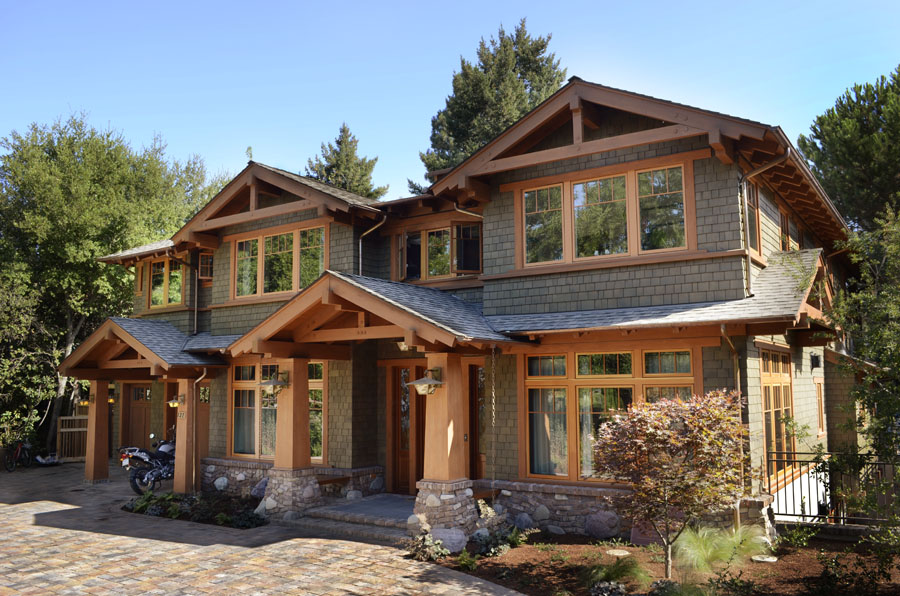
The significance of Arts and Crafts architecture exists in its commitment to craftsmanship and simplicity. This building motion arised in the late 19th century as a feedback to automation, stressing the worth of handcrafted details and natural products. The concepts of Arts and Crafts architecture prioritize functionality and harmony with the environment. Structures generally feature low-pitched roofs, vast eaves, and revealed rafters, advertising a sense of unity with nature.
Artisans played a significant role in this design, typically incorporating ornamental aspects like stained glass, floor tiles, and woodwork, which show regional craftsmanship. The shade combination tends to be natural and restrained, enabling structures to blend effortlessly into their environments. Furthermore, the style encourages open flooring strategies and common rooms, promoting a sense of togetherness. On the whole, the principles of Arts and Crafts architecture celebrate the appeal of simplicity and the relevance of human connection to both nature and area.
Lasting Practices in Residential Layout
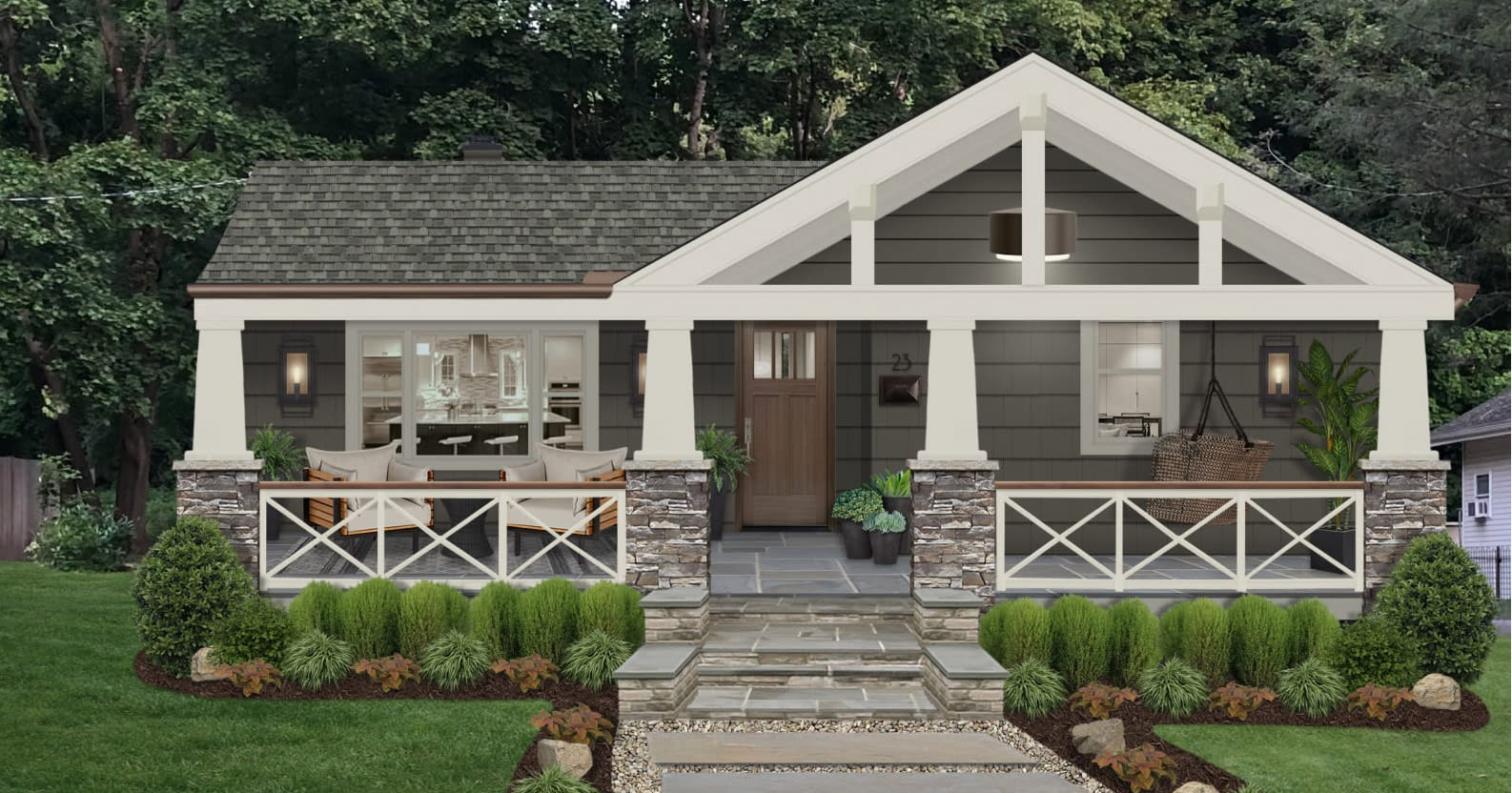
While the need for eco liable living proceeds to grow, sustainable practices in household style have actually obtained substantial grip amongst architects and house owners alike. Architects are significantly including energy-efficient modern technologies and sustainable materials right into their designs, aiming to minimize carbon footprints and improve energy preservation. Approaches such as passive solar layout, environment-friendly roofs, and rain harvesting systems are coming to be typical parts of modern-day domestic architecture.
Furthermore, the option of locally sourced products reduces transport emissions and supports local economies. Emphasis on all-natural light and ventilation not only boosts interior air quality however additionally reduces reliance on man-made lights and environment control systems. These lasting practices mirror a dedication to preserving the atmosphere while supplying home owners with comfortable, efficient living areas. As understanding of ecological concerns expands, the integration of sustainability in property layout is positioned to end up being a specifying characteristic of modern architecture, led by the principles developed by Arts and Crafts architects.
Modification and Personalization in Home Style
Modification and personalization in home style have actually emerged as essential fads in response to the growing wish for unique living environments that show specific preferences and lifestyles. Property owners significantly look for to tailor spaces that reverberate with their individualities, resulting in a more meaningful link with their home. craftsman style house. This motion motivates architects to engage customers in the layout process, fostering collaboration that assures the last result embodies the homeowner's vision
Components such as bespoke designs, custom-made materials, and customized surfaces allow for a varied series of expressions in property design. Arts and Crafts architects play a pivotal duty in this development, emphasizing workmanship and high quality. Their concentrate on incorporating artistic components with performance guarantees that each home is not just aesthetically pleasing but also distinctly fit to the inhabitants' demands. This focus on modification enhances the overall residential experience, creating areas that are both personal and enduring.
The Impact of Arts and Crafts Architects on Area Aesthetics
As communities progress, the impact of Arts and Crafts architects significantly forms their aesthetic landscape. By highlighting handcrafted details, natural materials, and standard construction techniques, these architects produce homes that resonate with their environments. Their designs commonly include regional vegetations, textures, and see shades, cultivating a feeling of harmony between built settings and nature.
Additionally, the Arts and Crafts movement advertises community identification via architectural connection. By encouraging house owners to take on similar style concepts, neighborhoods establish a natural personality that enhances aesthetic appeal. This architectural harmony not only improves the visual experience but additionally imparts a sense of satisfaction among residents.
The emphasis on sustainability and craftsmanship in Arts and Crafts architecture lines up with modern worths, making these designs pertinent in contemporary setups. Eventually, Arts and Crafts architects add substantially to the total elegance and social read this integrity of communities, leaving an enduring influence on their visual heritage.

Future Fads in Arts and Crafts Architecture
With a raising focus on sustainability and personalization, future patterns in Arts and Crafts architecture are poised to blend traditional craftsmanship with modern advancement - craftsman style house. Architects are most likely to focus on eco-friendly products, using recovered timber and all-natural rock to boost the sustainability of residential styles. The assimilation of wise home innovation will become commonplace, permitting individualized living experiences without endangering visual stability
Moreover, the resurgence of artisanal strategies will certainly foster a restored admiration for handcrafted aspects, such as bespoke cabinetry and custom-made ceramic tile work. Future layouts might additionally mirror a focus on community-oriented areas, motivating interaction and connection among homeowners. Outdoor living areas will certainly get importance, seamlessly integrating nature right into the home environment. As Arts discover this and Crafts architecture evolves, it will certainly remain to honor its roots while adapting to modern requirements, producing unified spaces that show individual values and lifestyles.
Frequently Asked Inquiries
What Inspired the Arts and Crafts Motion in Architecture?
The Arts and Crafts motion in architecture was inspired by a response against industrialization, stressing handcrafted high quality, natural products, and a go back to conventional craftsmanship, aiming to produce unified, useful spaces that celebrated virtuosity and uniqueness.
Exactly how Do Arts and Crafts Architects Collaborate With Customers?
Arts and crafts architects team up with clients through open discussion, focusing on individual needs and aesthetics. They emphasize craftsmanship and sustainability, fostering a collaboration that incorporates the customer's vision with the engineer's know-how in design and products.
What Products Are Frequently Made Use Of in Arts and Crafts Homes?
Usual products in Arts and Crafts homes include natural timber, rock, and brick, emphasizing craftsmanship and organic aesthetics. These components create a cozy, welcoming ambience, showing the movement's dedication to high quality and simplicity in design.
Just how Do Arts and Crafts Designs Boost Indoor Living Rooms?
Arts and Crafts styles boost indoor home by promoting natural light, open layout, and handcrafted information. These aspects promote a warm, inviting ambience, urging a link in between homeowners and their environments with thoughtful, functional appearances.
What Are Some Famous Instances of Arts and Crafts Architecture?
Famous examples of Arts and Crafts architecture include the Gamble House, Greene and Greene's masterpiece in The golden state, and the Robie Home by Frank Lloyd Wright. These frameworks showcase handcrafted details and harmony with nature, specifying the activity's essence.